The short version. There is no men's section here and there is not going to be one. What the phrase usually means in practice is "an adult who is difficult to buy for and is into cars", and that is a solvable problem. It just is not solved by a category page.
Why the phrase exists
Search terms record how people shop rather than how they think. Somebody standing in front of a shelf needs a filter, and gender is the crudest one available, so it is the one the shelves are organised around. The result is a lot of products whose only idea is that a man is receiving them: the novelty number plate, the slogan mug, the socks.
None of that is about cars. It is about the aisle. And a keen owner is as particular about what goes on their wall as they are about what goes in the engine, which is exactly the sensibility a novelty gift ignores.
The question that works
Not what a man wants, but what this person's relationship with cars is. There are roughly four, and they want different things.
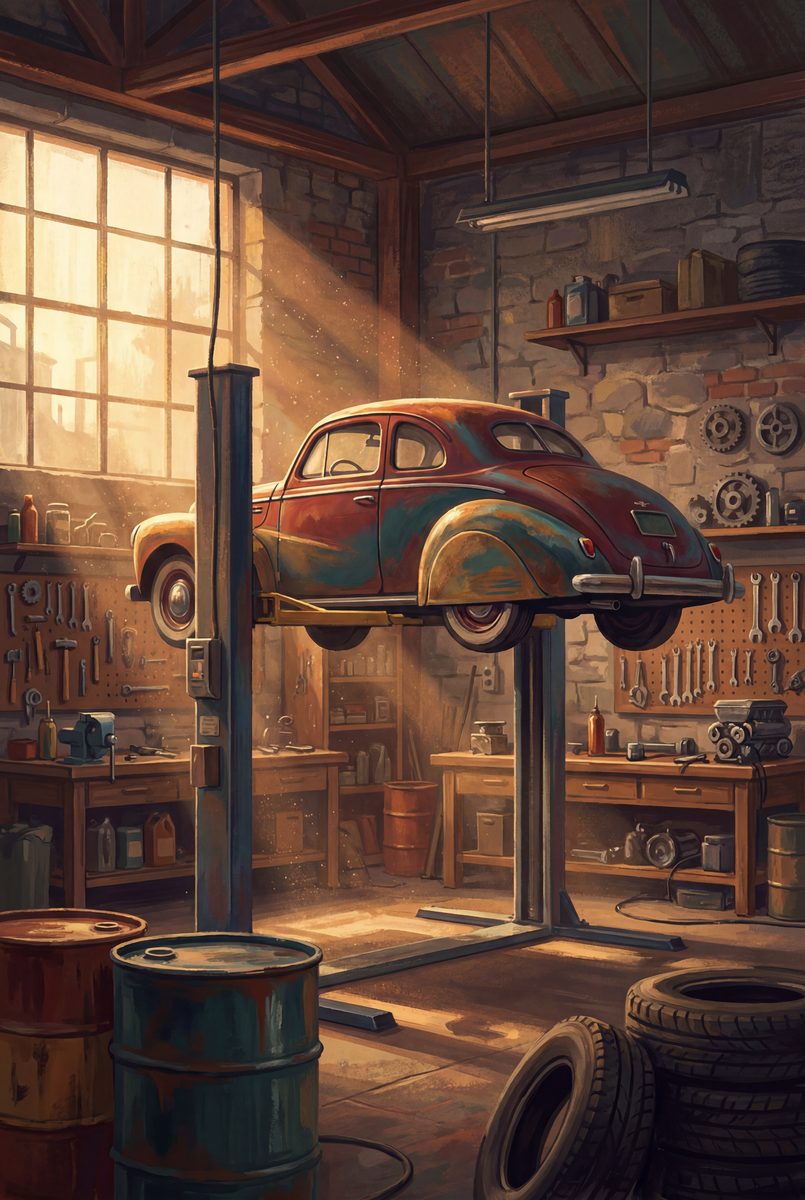
They own something and work on it. Buy the hours, not the car: The Workshop, or the garage page for the room it goes in.
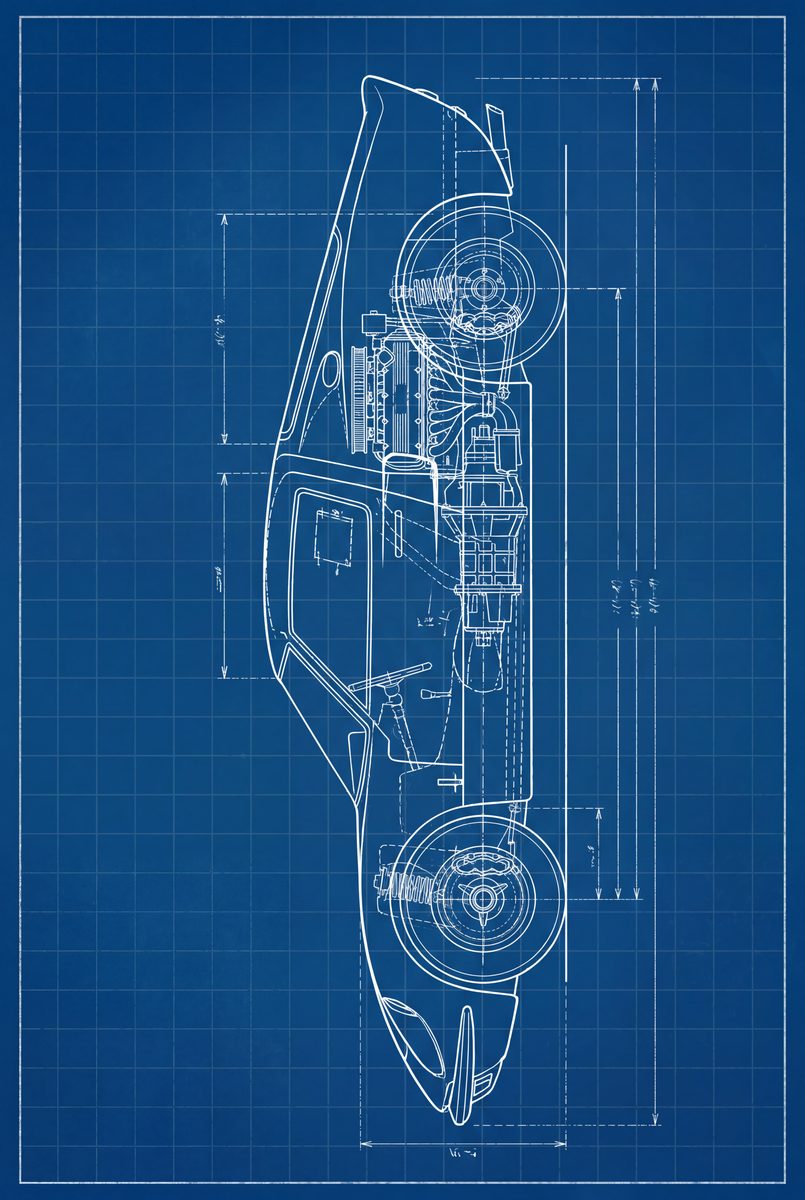
They are an engineer about it. They want to know how it works, not how it looks, so Rear-Engine Study, a 1960s rear-engined coupe in cutaway.
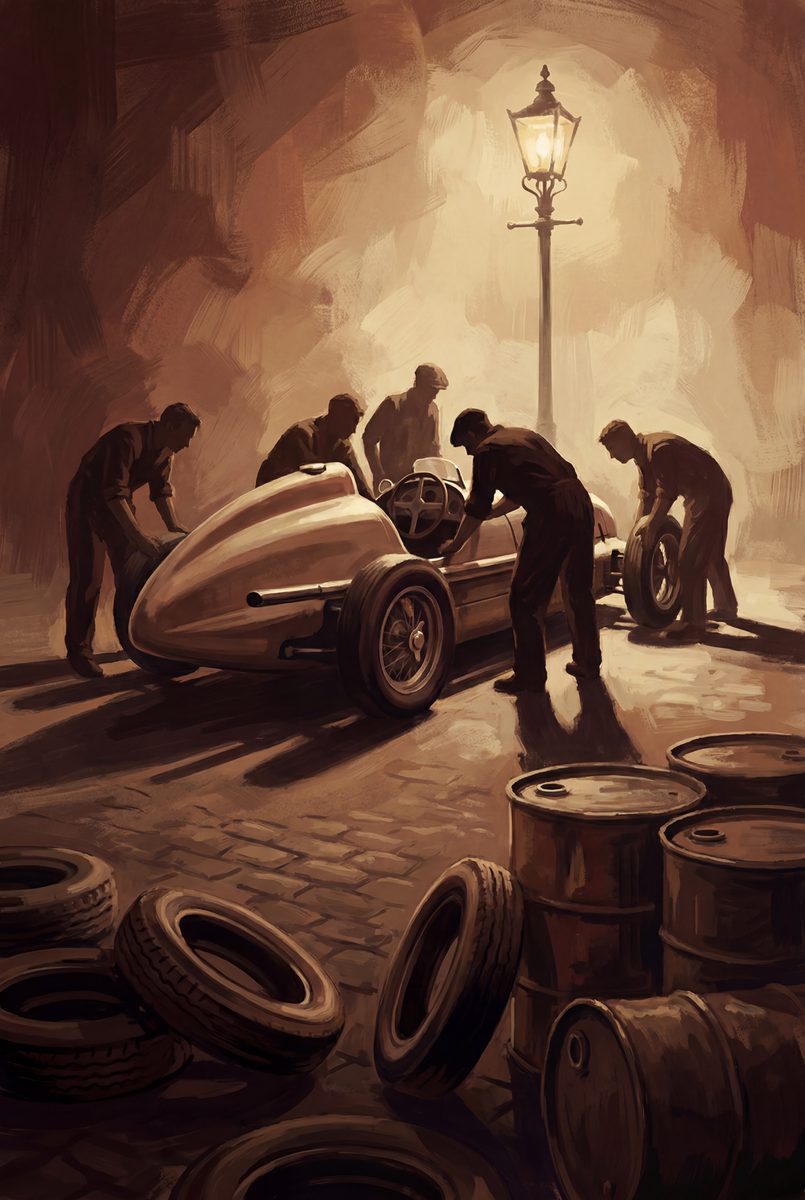
They follow the sport. Pit Lane, 1955 is the one that gets a reaction, because it is about the crew rather than the winner and almost nothing else is.
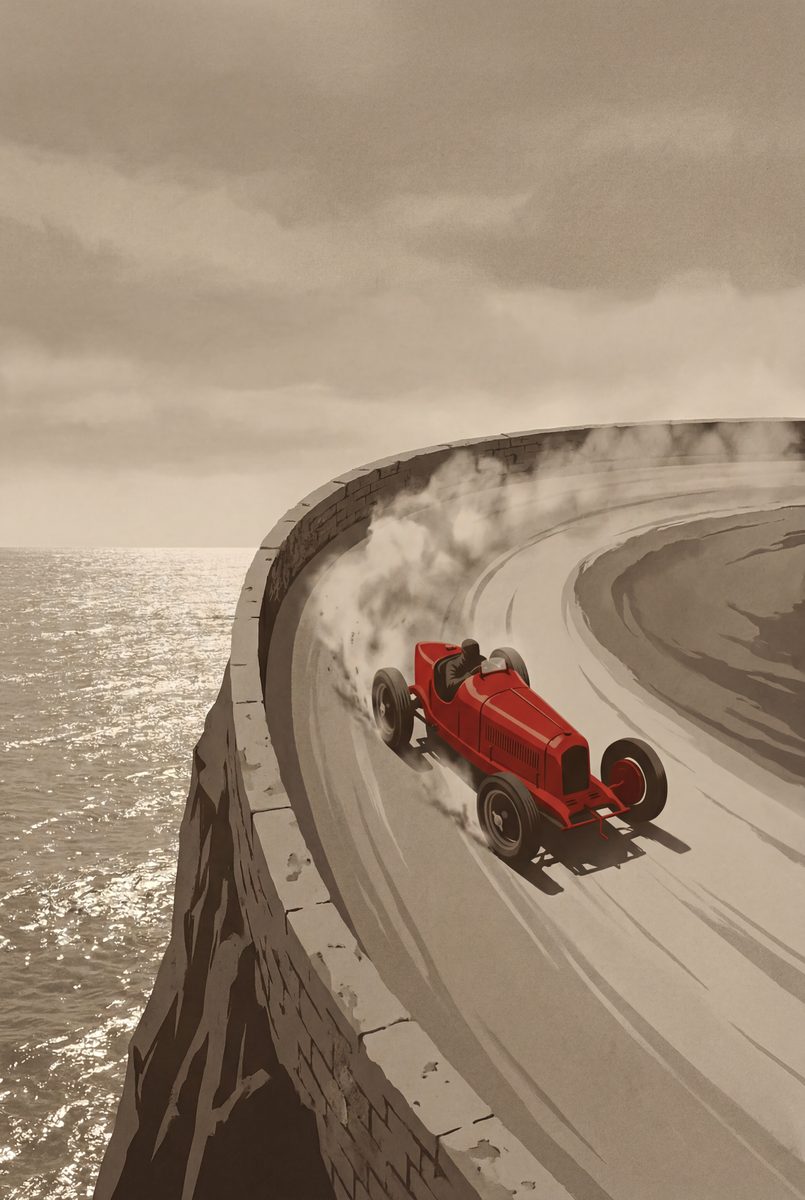
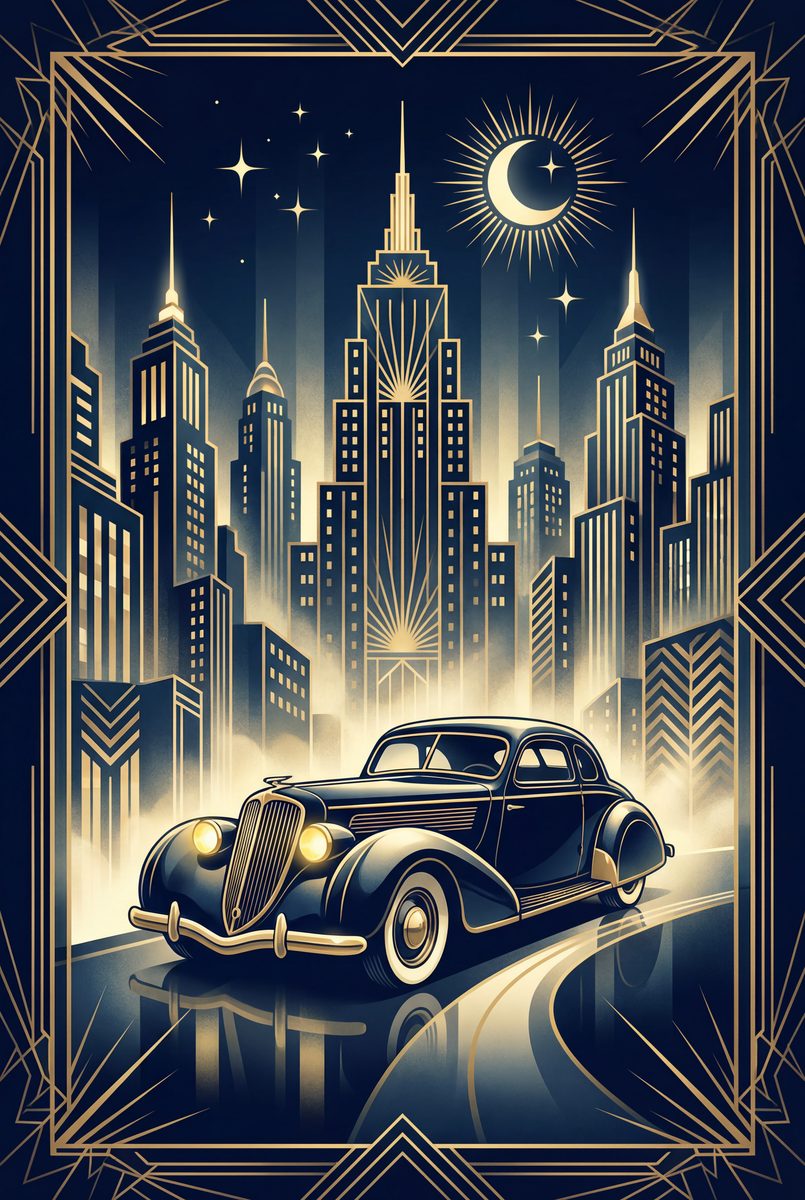
The drive itself is the hobby, usually after dark. Deco Metropolis, a coupe alone in a city at night, or their own car in the Night Drive style from the Paint Shop.
The one that beats all four
If you can photograph the car they own, do that instead. The Paint Shop turns one photograph into a painting, a blueprint or a night scene, whichever suits. This route needs no guess about their relationship with cars at all, because it starts from a car they have already chosen.
What to skip
Anything whose only joke is that a man is receiving it. Anything carrying a marque you have inferred rather than been told, because badge loyalty is real and getting it wrong reads as not having listened. And anything consumable, which they have already bought themselves in the specification they wanted.
The decision tree asks the same question a different way, and the gift stage is the argument underneath both.