Made to order · Free UK delivery, 4 to 9 working days

Number plate age checker

Type a UK registration number to see when DVLA issued it. You get the six months for a current number, and what an older or dateless one can and can’t tell you.

Check a number plate

AB51 ABC

September 2001 to February 2002

This is a current-style number. The 51 is its age identifier: DVLA issued it to new vehicles between September 2001 and February 2002. The first letter, A, is the Anglia region where it was first registered.

A car can wear a number older than itself, if the number was moved onto it, but never a newer one. DVLA says you can't use a number to make a vehicle look younger than it is.

Rules from DVLA's INF104 leaflet and DVLA Personalised Registrations help, both read on 30 October 2026. Year letters: no DVLA list found, so compiled from Wikipedia, Autobulbs Direct and Swiftreg, which agree up to 1998. From 1999 they differ on the changeover month; we follow DVLA's own timeline, which says the letter changed "every six months, in March and September". Read on 30 October 2026. Great Britain only. Nothing you type is stored.

Love the car as much as the numbers? Turn a photo of it into art, or browse car prints in the shop.

How to use it

Type the number as it is on the plate or the V5C log book. Spaces don't matter. The answer shows straight away, and the link in your address bar keeps it, so you can send it to someone.
Your car as art

Their car, repainted from one photograph in whichever of the nine styles suits the room. Free preview first, accepted on screen before anything is charged.

From £19.99 · Poster
Start with your photo →

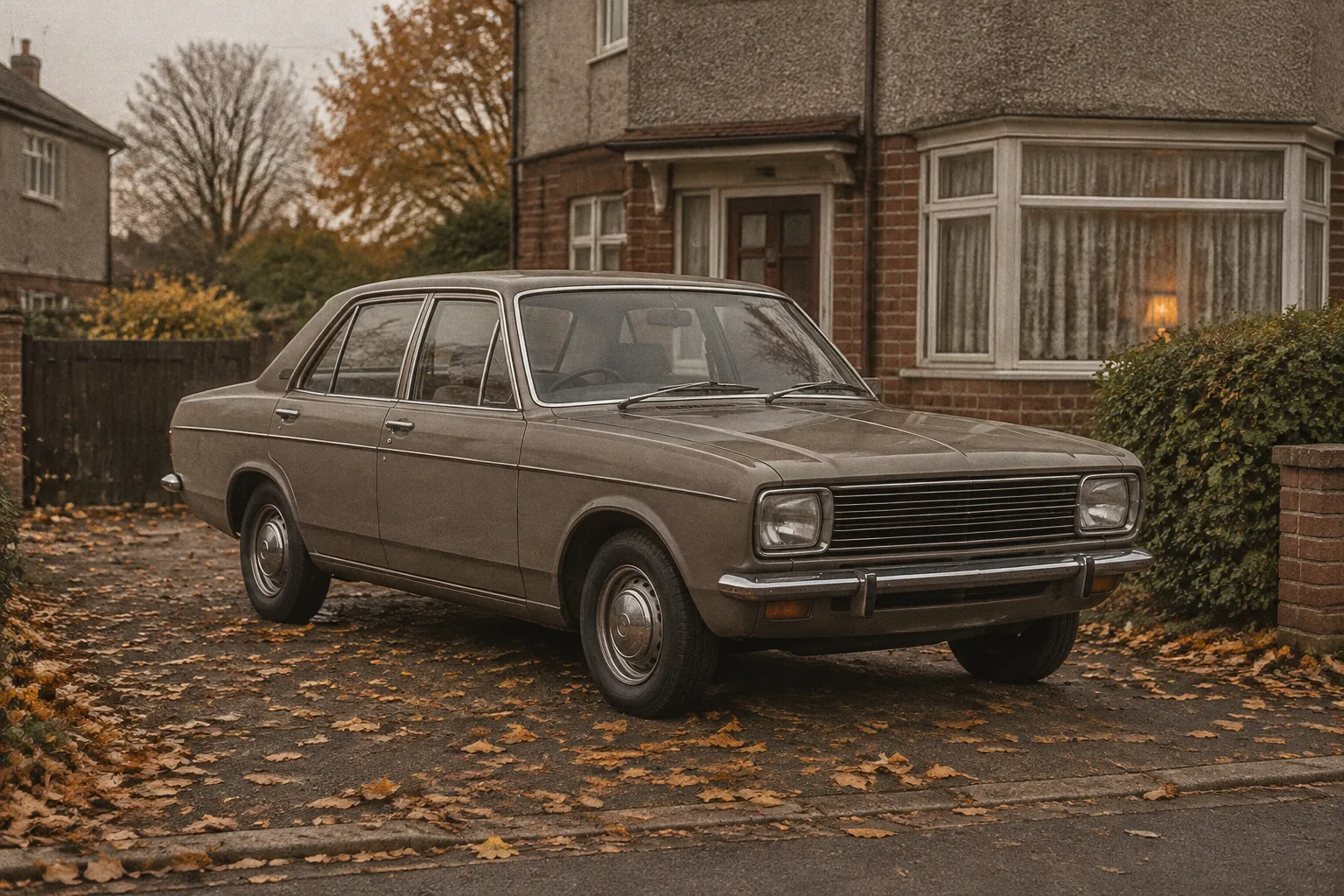
A brown 1970s saloon parked on the drive of a brick house, autumn leaves on the ground.
A plate tells you the earliest a car could be, not always its age.

How to read a current number

Numbers issued since 1 September 2001 have three parts. Take AB51 ABC:

PartExampleWhat it tells you
Memory tagABThe region where the vehicle was first registered (A is Anglia)
Age identifier51The six months it was issued: here September 2001 to February 2002
Random lettersABCNothing about age or place

The age identifier changes twice a year. From March it is the last two digits of the year, so 26 means March to August 2026. From September it is those digits plus 50, so 76 means September 2026 to February 2027.

Older numbers

Prefix numbers, like B123 CDE, were issued from August 1983 to August 2001, with the year letter at the front. Suffix numbers, like ABC 1A, ran from February 1963 to July 1983, with the letter at the end. DVLA's own pages give those ranges but no list of which letter means which year. So the checker takes each letter's dates from published tables that agree with each other. Where they differ, on the 1999 to 2001 letters, it follows DVLA's own word that the letter changed "every six months, in March and September". Dateless numbers, like ABC 1, carry no age at all.
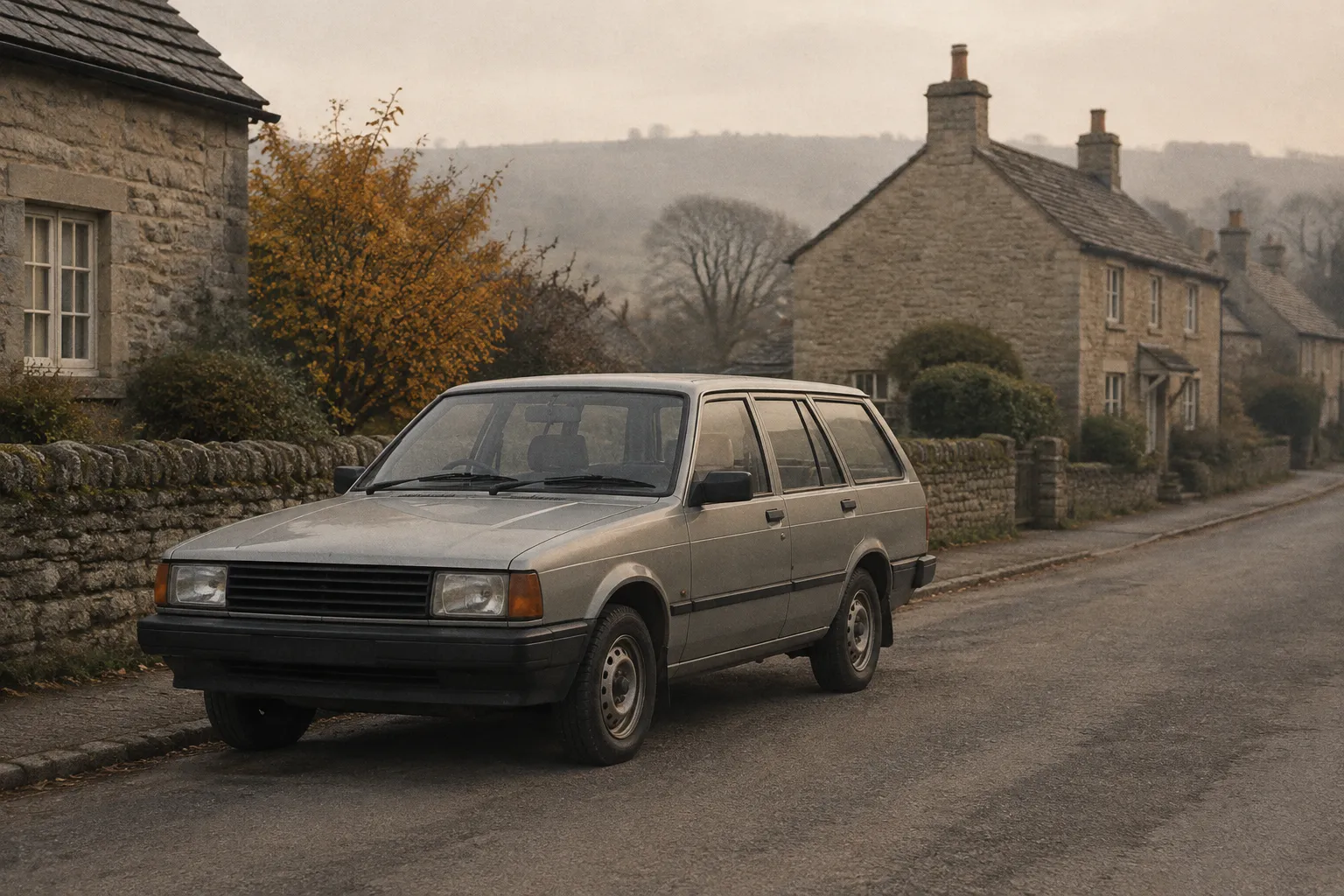
A grey 1980s estate car parked on a village street beside a dry-stone wall and stone cottages, a misty hill behind.
A prefix-era estate: the letter at the front dates the number, not always the car.

Why the plate can be older than the car

A number can be moved from one car to another. DVLA allows a car to carry a number that makes it look older, but never one that makes it look younger. So a plate tells you the earliest the car could be, not its age. For the real date, look at "date of first registration" on the V5C.

Where the rules come from

The current format and its table of age identifiers are in DVLA's INF104 leaflet. The prefix, suffix and dateless ranges are from DVLA Personalised Registrations help. Both read on 30 October 2026. If your car is coming up to 40, our historic car checker works out when it stops paying vehicle tax.

Written by Craig Fearn, Petrol & Ink. Last updated .

Questions, answered

What does 75 mean on a number plate?
It was issued between September 2025 and February 2026. September identifiers are the year plus 50, so 25 + 50 = 75 (DVLA INF104).
Can I tell the age of a private plate?
Only the earliest date the car could be. A number can be moved onto a newer car, but DVLA does not allow one that makes a car look younger than it is. The V5C log book has the real date.
What year is an R reg?
An R at the front (R123 ABC) was August 1997 to July 1998. An R at the end (ABC 123R) was August 1976 to July 1977. DVLA prints no letter list, so these dates come from published tables that agree.
What is a Q plate?
DVLA issues Q numbers to vehicles whose age or identity is in doubt, so a Q number tells you nothing about the date.