Why one engine has three numbers
Spec sheets quote engine power in bhp, in PS (metric horsepower) or in kilowatts. All three are power, in units of different sizes. If two figures for one engine don't match, look at the units first.
Their car, repainted from one photograph in whichever of the nine styles suits the room. Free preview first, accepted on screen before anything is charged.
From £19.99 · Poster
| Power | bhp | PS | kW |
|---|---|---|---|
| 1 bhp | 1 | 1.014 | 0.746 |
| 1 PS | 0.986 | 1 | 0.735 |
| 1 kW | 1.341 | 1.360 | 1 |
| 150 bhp | 150 | 152.1 | 111.9 |
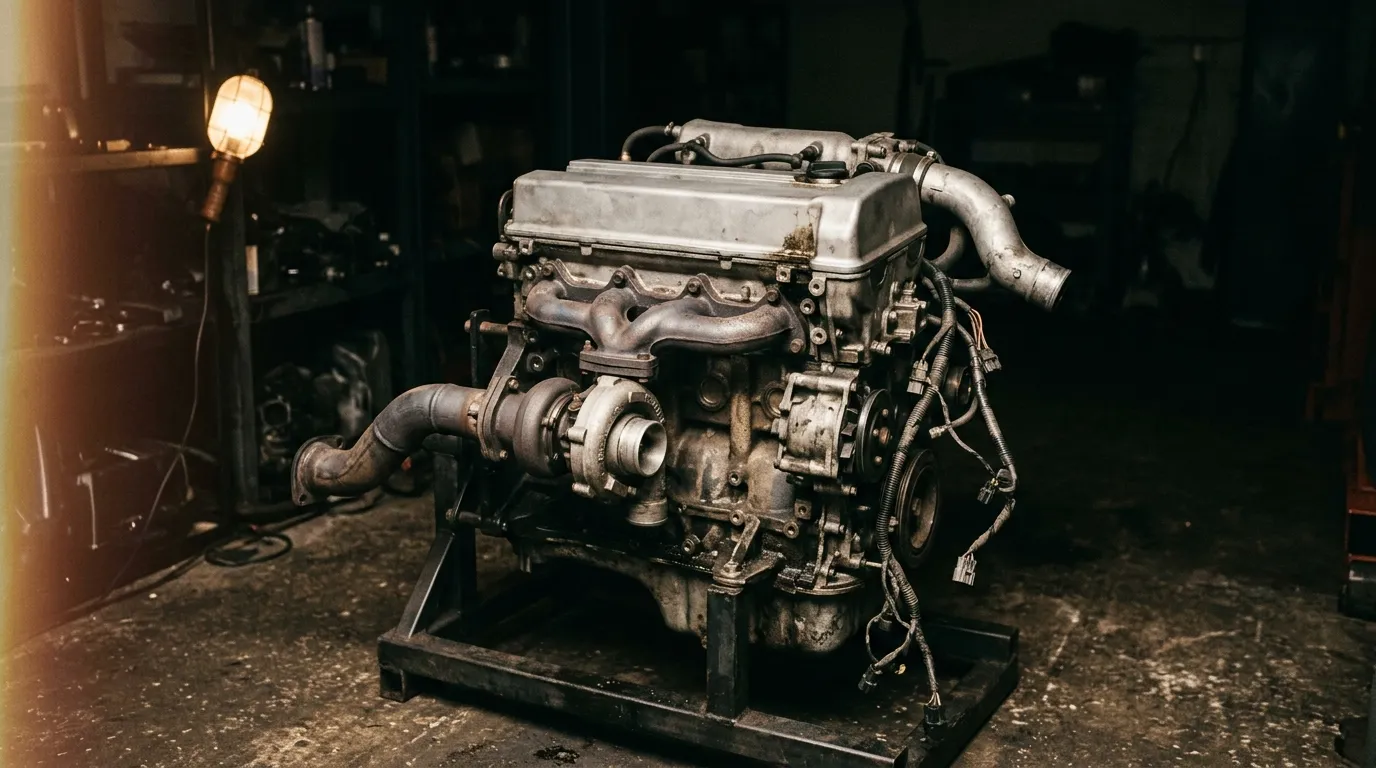
How it is worked out
Every figure goes through watts. NIST, the US National Institute of Standards and Technology, gives one horsepower as 745.6999 watts and one metric horsepower as 735.4988 watts, and a kilowatt is 1,000 watts. So 150 bhp is 150 × 745.6999 = 111,855 watts, which is 111.9 kW or 152.1 PS.
bhp is a horsepower figure taken at the crank, so it converts at the horsepower rate. If you want to know more, what BHP means and what horsepower is each have a page of their own.
Power per tonne
Put in the car's weight in kilograms and you also get power per tonne: the power divided by the weight in tonnes. A 150 bhp car weighing 1,250 kg has 120 bhp a tonne. It's a fairer way to compare a light old car with a heavy new one than power alone. Use the same kind of weight for both cars, or the comparison is off.
Source
Conversion factors from NIST Special Publication 811, Appendix B.9, read on 30 October 2026. For the size of the engine making the power, try the engine capacity calculator.
Written by Craig Fearn, Petrol & Ink. Last updated .